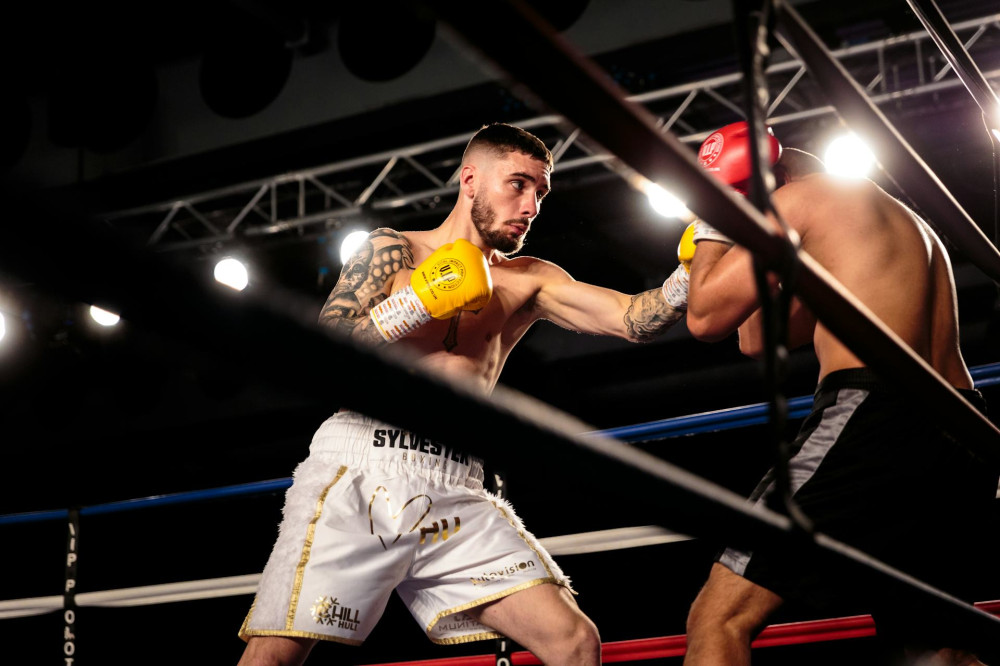
Live Betting in Boxing: How to Find the Most Advantageous Fights

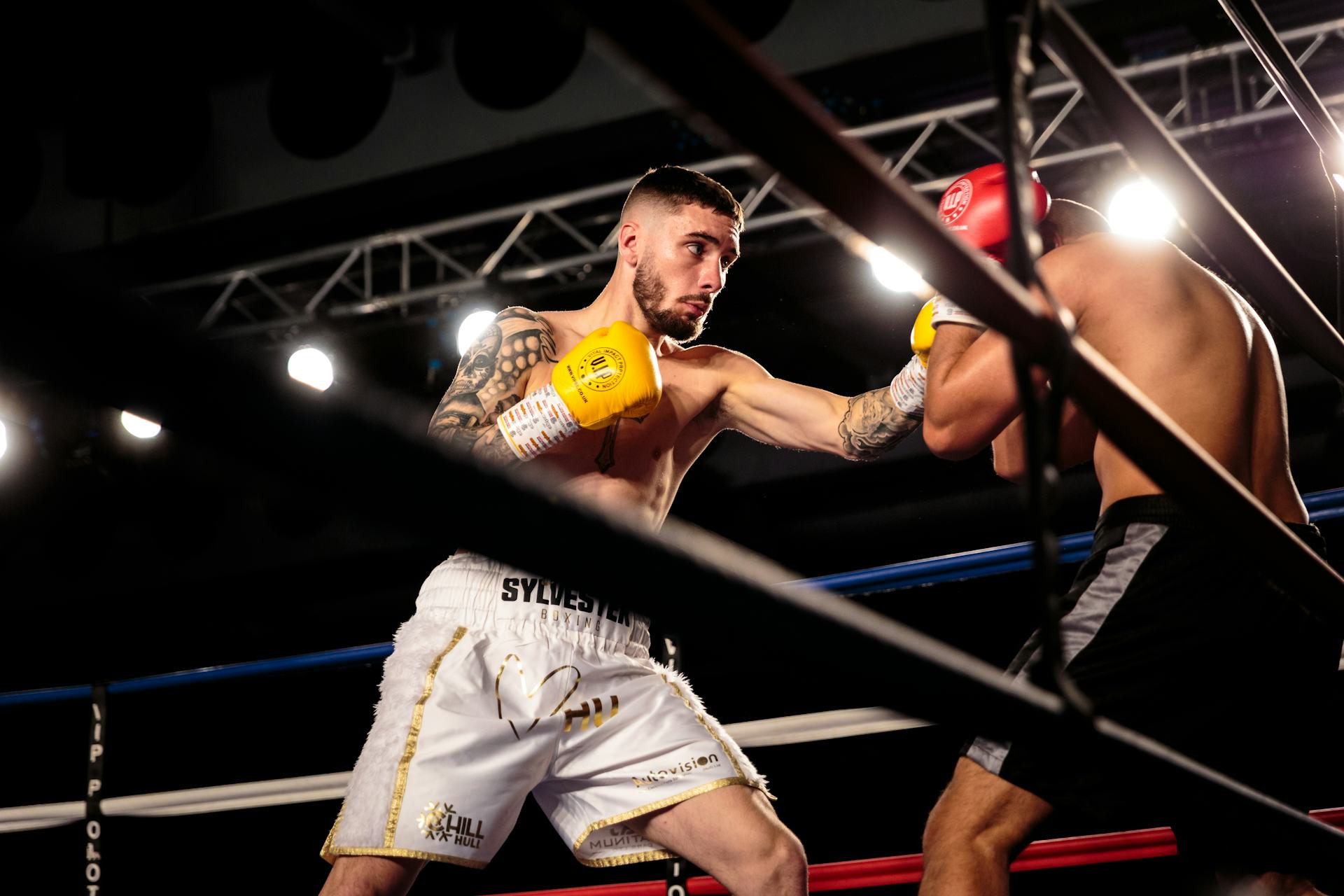
Live Betting in Boxing: How to Find the Most Advantageous Fights
Live betting has transformed the way many fans experience sport – and boxing is no exception. Where once you had to place your bets before the first bell, live betting now allows you to react to the action as it unfolds. This opens up new opportunities, but it also demands quick thinking, knowledge, and a solid grasp of the sport’s rhythm. Here’s a guide to finding the most advantageous fights when betting live on boxing.
What Is Live Betting in Boxing?
Live betting – also known as in-play betting – means placing wagers while the fight is in progress. The odds shift constantly in response to what’s happening in the ring: one fighter gains control, another starts to tire, or a sudden knockdown changes the momentum.
It makes the experience more exciting, but also more unpredictable. To succeed, you need to read the tempo, tactics, and momentum swings – and act before the odds adjust.
Know the Fighters and Their Styles
One of the keys to finding value in live betting is understanding the fighters. Their style, stamina, and mental resilience all influence how a bout develops.
- Technical boxers often dominate early rounds, where precision and control matter most.
- Power punchers can turn a fight around with a single shot – their chances rise if the opponent shows fatigue.
- Defensive specialists can weather pressure and win on points, even after difficult moments.
By recognising these traits, you can spot when the live odds don’t reflect the true balance of the fight.
Follow the Rhythm and Momentum
In boxing, a single moment can change everything. A fighter who looks comfortable early on can suddenly lose energy, while the opponent finds a second wind. These shifts are where live betting can be most rewarding.
Watch for:
- Tempo – a drop in punch output can signal tiredness.
- Body language – slumped shoulders, a lowered guard, or slower footwork can reveal pressure.
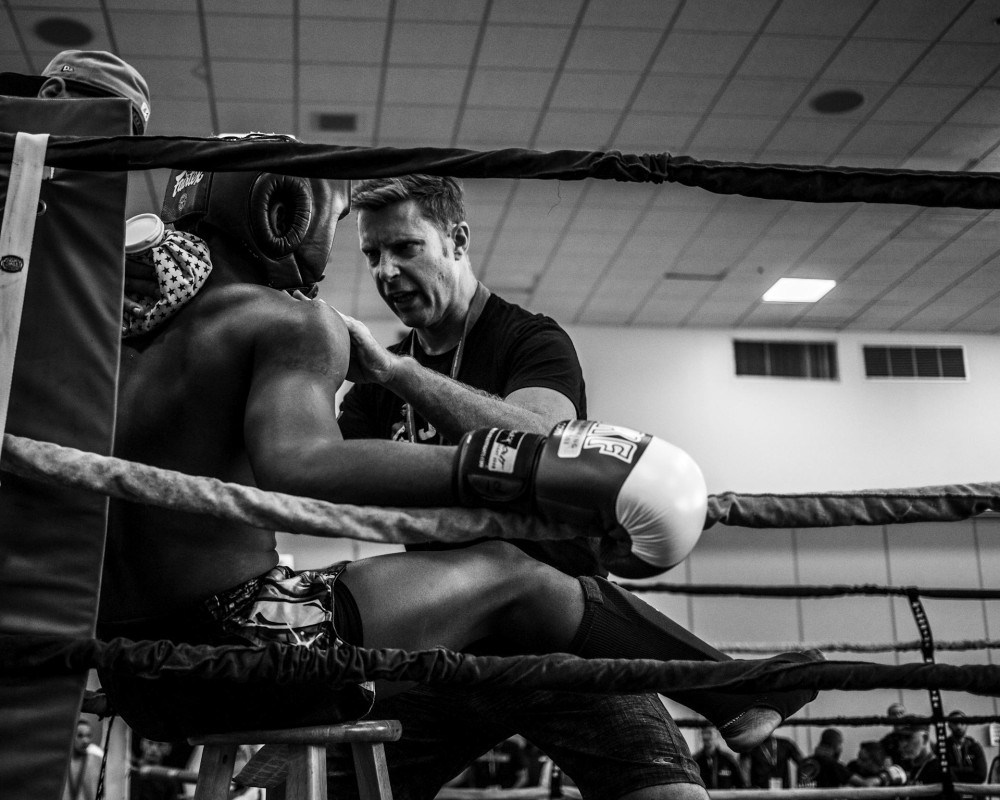
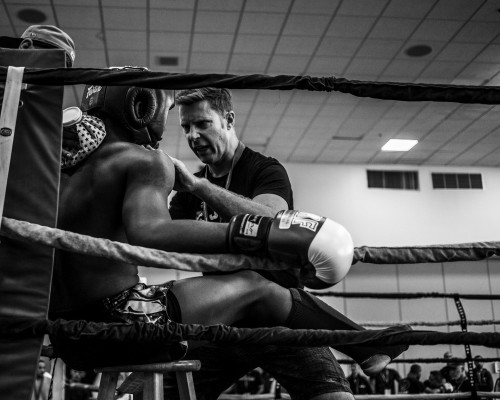
- Corner reactions – a frustrated or anxious trainer between rounds can hint at trouble.
Learning to read these signs helps you act faster than the market.
Choose the Right Fights
Not every fight is suitable for live betting. The best opportunities often come in competitive matchups – bouts where the outcome isn’t obvious, or where an underdog has an unpredictable style.
Avoid fights with extremely one-sided odds unless you have a clear plan for exploiting potential momentum shifts. In mismatches, the odds rarely move enough to justify the risk.
Læs også:
Strategies for Live Betting
There are many ways to approach live betting, but a few core principles apply:
- Start small – place modest bets early to get a feel for the fight’s flow.
- Use the breaks – between rounds, odds often pause briefly, giving you time to think clearly.
- Set limits – decide in advance how much you’re willing to stake, and avoid chasing losses.
- Use data – many UK betting platforms provide live stats such as punch counts and unofficial scorecards. These can support your own observations.
Be Aware of Delays and Odds Changes
Live betting demands quick reactions but also patience. Broadcast delays can affect what you see, and odds may shift just as you try to place a bet. It’s part of the challenge – another reason to focus on fights you follow closely and understand well.
Responsible Betting
While live betting can be thrilling, it’s important to remember that it carries risk. The fast pace can tempt impulsive decisions. Take breaks, set spending and time limits, and treat betting as entertainment – not as a guaranteed way to profit. If you ever feel your betting is getting out of control, seek help from organisations such as BeGambleAware.
Conclusion: Preparation Meets Intuition
The most advantageous live bets in boxing come when knowledge, timing, and intuition align. The better you understand the fighters, the flow of the fight, and how the market reacts, the more likely you are to find value. But as in the ring itself, discipline and patience are what truly win in the long run.
Læs også: