PGA Tour vs European Tour – analyse course differences using statistics

PGA Tour vs European Tour – analyse course differences using statistics
For golf fans in the UK, the contrast between the PGA Tour and the European Tour (now the DP World Tour) is more than just geography. It’s a difference in design philosophy, climate, and playing conditions – all of which shape how the game is played and who succeeds. Statistical data from recent seasons reveal that these tours demand distinct skill sets, influencing everything from driving strategy to putting performance.
Length and layout – American power vs European precision
One of the clearest distinctions lies in course length. According to official PGA Tour data, the average course measures around 7,250 yards (6,630 metres), compared with 6,950 yards (6,355 metres) on the European Tour. This difference may seem modest, but it often favours players with greater driving distance on American soil.
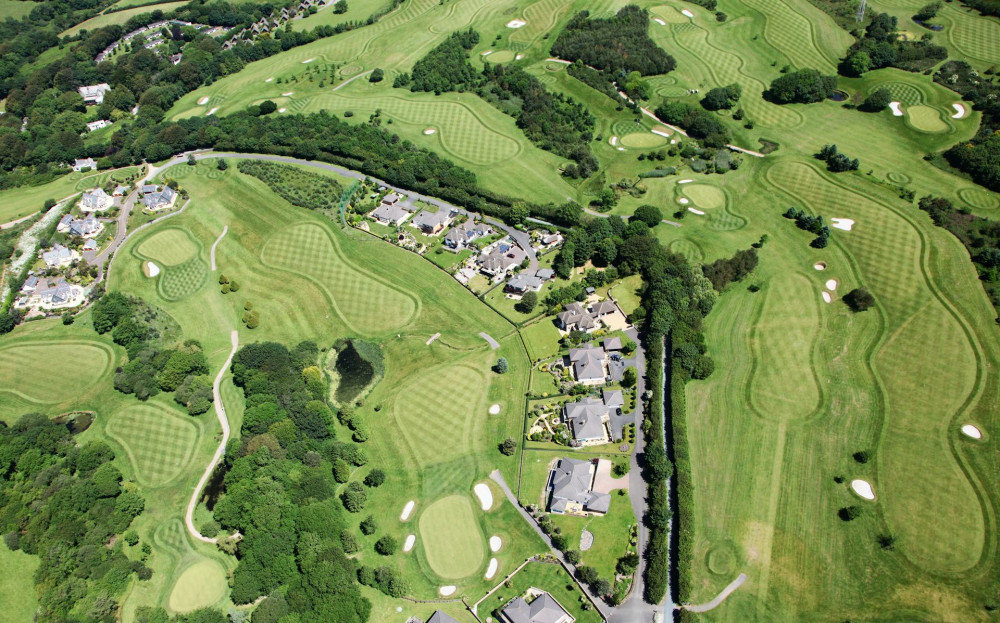
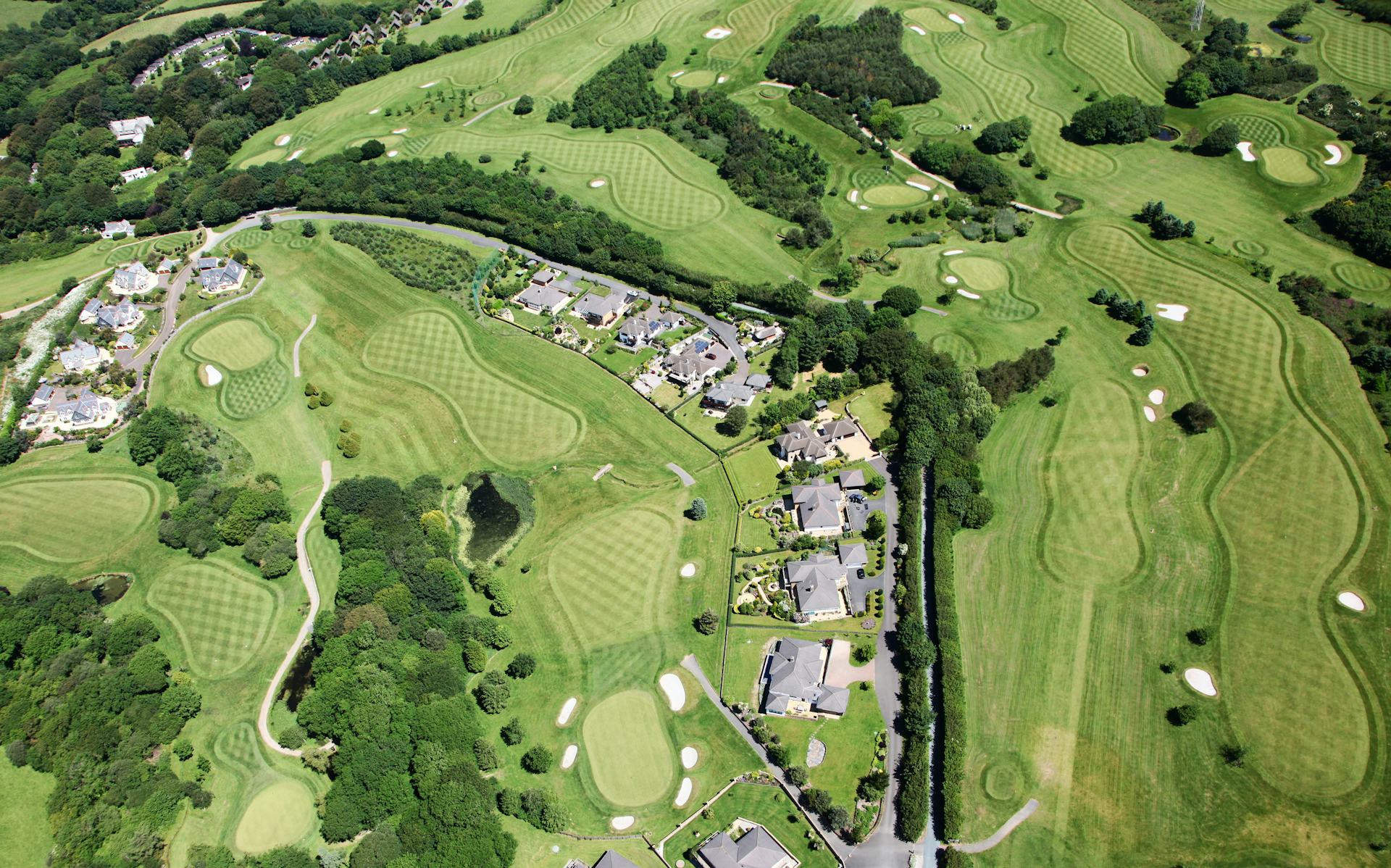
PGA Tour courses tend to feature wider fairways and more predictable rough, rewarding aggressive play from long hitters such as Rory McIlroy or Scottie Scheffler. In contrast, European layouts are typically tighter, with narrower fairways, more doglegs, and greater elevation changes. These designs demand accuracy, creativity, and adaptability – qualities that have long defined European golf.
Grass types and climate – the surface battle
Grass type is a subtle but crucial factor. In the United States, Bermuda and Bentgrass dominate, thriving in the warm, humid climates of Florida, Texas, and the Carolinas. These grasses produce fast, smooth greens that reward confident putting strokes.
Across Europe, the picture is more varied. Courses in the UK and northern Europe often use fescue and ryegrass, which cope better with cooler, windier conditions but create slower, less predictable greens. Statistics show that the average putting success rate from three metres is around 68% on the PGA Tour, compared with 64% on the European Tour. Over four rounds, that small difference can easily decide a tournament.
Weather and variability – nature as a competitor
Weather is another defining factor. Many PGA Tour events are played in stable, sunny conditions, where wind and rain rarely disrupt play. European Tour events, however, often unfold under far more changeable skies. Wind, rain, and temperature swings can transform a course from one day to the next.
The Open Championship is the ultimate example. Wind speeds exceeding 10 m/s are not uncommon, and scoring averages can rise by up to 2.5 strokes per round in such conditions. Success in Europe often depends on mental resilience and course management – skills honed by years of battling the elements.
Scoring and difficulty
When comparing scoring averages, PGA Tour players record an average of 70.8 strokes per round, while European Tour players average 71.4. The difference reflects both course setup and environmental factors. American greens are faster but more consistent; European greens are slower but more unpredictable.
The “greens in regulation” (GIR) statistic tells a similar story. PGA Tour players hit around 66% of greens, compared with 63% on the European Tour. This suggests that European courses penalise inaccuracy more severely, demanding a more strategic approach to shot selection.
Læs også:

Strategy and playing style
These statistical contrasts translate directly into playing style. On the PGA Tour, success often comes from maximising distance – long drives, short approach shots, and aggressive birdie hunting. In Europe, the emphasis shifts to positioning, patience, and adaptability. Players must think their way around the course, managing risk and reading the wind.
This is why some golfers thrive on one tour more than the other. Players like Viktor Hovland and Jon Rahm have managed to blend both worlds – combining American power with European precision – and their results show the value of versatility.
What it means for fans and analysts
For UK golf fans and analysts, understanding these differences adds depth to how we interpret performance. When assessing a player’s form, it’s not enough to look at recent finishes; one must also consider the type of course and conditions. A player with strong “strokes gained off the tee” numbers may excel on the PGA Tour, while one with high “scrambling” and “strokes gained around the green” stats might be better suited to European setups.
These nuances are what make professional golf so compelling. The same sport, played under different conditions, produces distinct styles and strategies – and that variety keeps the global game vibrant.
Two tours – one game, two worlds
The PGA Tour and European Tour both represent the pinnacle of professional golf, yet they operate as two different laboratories for the sport’s evolution. The American circuit emphasises power, precision, and technology; the European circuit celebrates adaptability, creativity, and the challenge of nature.
Statistics confirm that there is no single formula for success. Instead, they highlight how environment and design shape the way golf is played. And that, perhaps, is the beauty of the game – every course, every round, and every tour tells its own story.
Læs også: