Pressure and Expectations: How Esports Players Handle Competitive Stress

Pressure and Expectations: How Esports Players Handle Competitive Stress
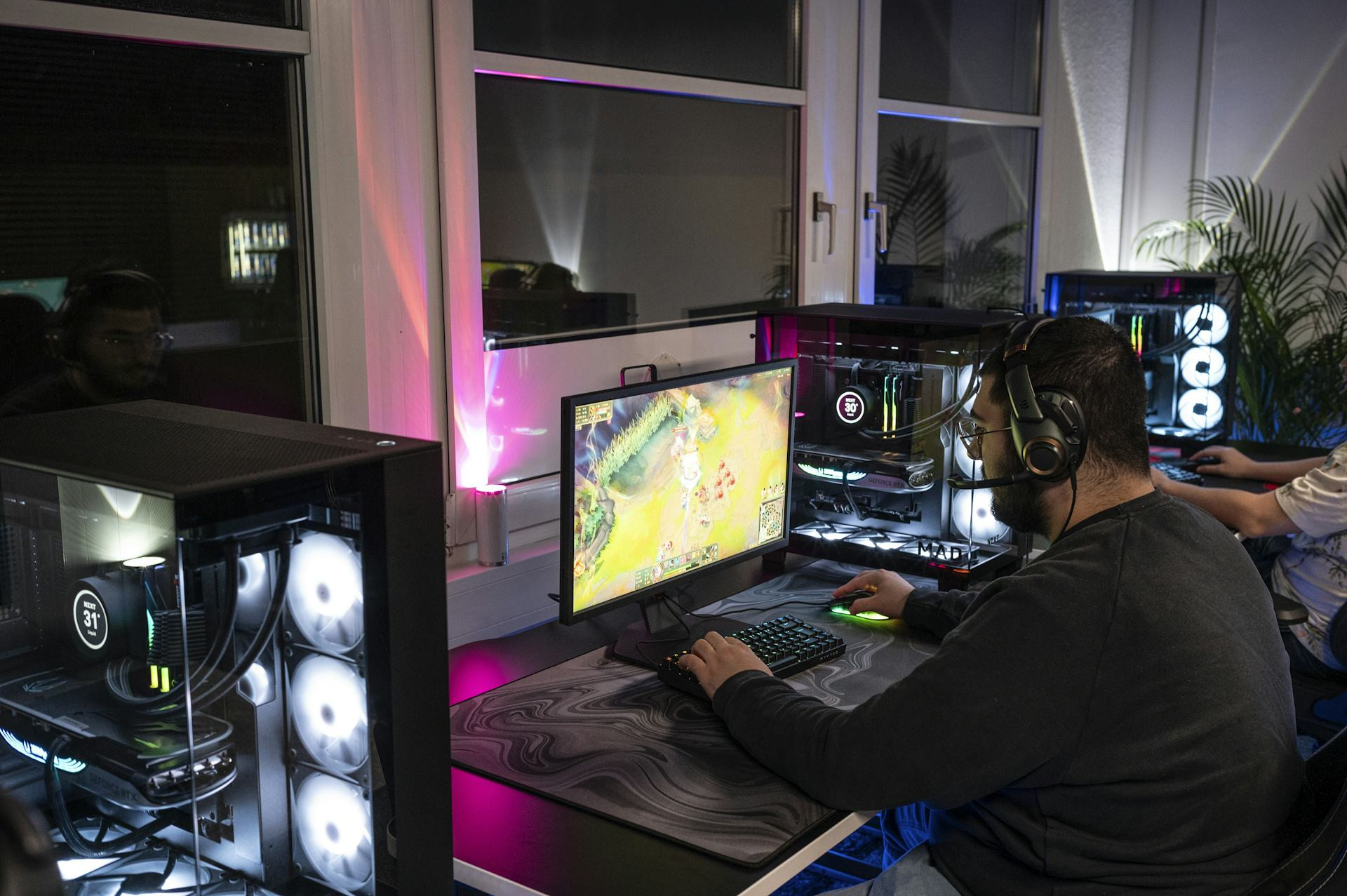
Behind the screens where millions tune in, intense battles unfold in which milliseconds and split-second decisions can decide everything. For professional esports players, competition is not only about skill and strategy – it’s also about managing immense mental pressure. Expectations from fans, teammates, sponsors, and themselves can be overwhelming. But how do players cope with the constant demand to perform?
A High-Pressure Environment
Esports has grown into a billion-pound industry, and with its increasing professionalisation come higher expectations. Players often train eight to ten hours a day, travel across the world for tournaments, and live under constant public scrutiny. Every mistake is dissected in slow motion, and social media can quickly turn a poor performance into a storm of criticism.
Sports psychologists note that the pressure in esports today mirrors that of traditional sports like football or tennis. The difference is that many esports professionals reach the top while still in their late teens, before they’ve fully developed the mental resilience that older athletes often rely on.
Mental Training as Part of the Routine
Many professional teams now employ sports psychologists or mental coaches to help players manage stress and expectations. The training isn’t just about improving focus during matches – it’s also about creating balance in everyday life.
- Visualisation and routines: Players use visualisation techniques to mentally prepare for tournaments, helping them stay calm in high-pressure moments.
- Mindfulness and breathing: Simple exercises can reduce stress and improve concentration, especially during long matches.
- Open conversations: Talking about nerves and self-doubt has become more accepted in the esports community, helping to prevent burnout.
As one British player from a top-tier team put it in an interview: “It’s not about removing the pressure – it’s about learning to play with it.”
Læs også:

Balancing Game and Life
One of the biggest challenges for esports players is finding balance between the game and the rest of their lives. When your job takes place in front of a screen – and your hobby often does too – the line between work and relaxation can easily blur.
To counter this, many teams work actively to create structure in players’ daily routines. This might include fixed training hours, scheduled breaks, physical exercise, and social activities away from the computer. Many players find that physical activity – whether running, gym sessions, or yoga – helps them maintain focus and reduce stress.
The Team’s Role in Managing Pressure
Although esports can appear to be an individual pursuit, team dynamics are crucial in determining how players handle pressure. A healthy team environment, where mistakes and frustrations can be discussed openly, can make the difference between success and collapse.
Coaches and managers play a central role here. Their job is not only to focus on tactics and results but also on player wellbeing. A supportive team can better withstand the emotional highs and lows that come with tournaments and defeats.
When the Pressure Becomes Too Much
Despite growing awareness, some players still struggle to cope. In recent years, several high-profile professionals have taken breaks from competition due to stress, anxiety, or burnout. This has sparked an important conversation about mental health in esports.
Organisations such as the British Esports Federation and international tournament organisers are now working to create better conditions for players – including access to counselling, mandatory rest periods between events, and greater emphasis on sleep and recovery.
A New Culture Around Mental Health
Where once it was seen as a weakness to talk about stress or pressure, it’s now viewed as a sign of professionalism. Some of the biggest names in esports have spoken openly about their mental health challenges, helping to shift the culture towards openness and support.
Performing under pressure requires more than quick reflexes and tactical awareness – it demands self-awareness, emotional support, and the courage to set boundaries. Esports today is not just a game; it’s a profession where mental strength is as vital as technical skill.
The Future: From Pressure to Performance
Competitive pressure will never disappear from esports – it’s part of what makes the scene so thrilling. But with greater focus on mental health, stronger support systems, and a more mature culture, there’s hope that future players can thrive even under intense expectations.
Learning to handle pressure isn’t just a prerequisite for winning – it’s essential for staying in the game for the long run.
Læs også: