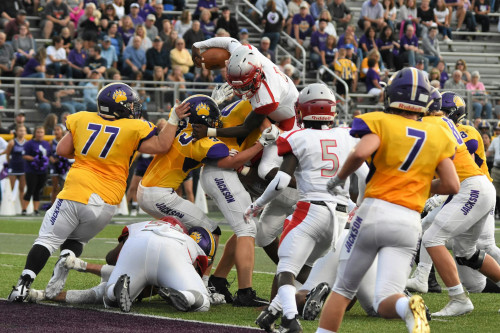
Unveiling the unseen: Uncovering American footballs hidden mysteries

Unveiling the unseen: Uncovering American footballs hidden mysteries
The Origins of American Football
American football, a sport now synonymous with excitement and explosive athleticism, has its roots in various forms of football played in the 19th century. Understanding its origins reveals a rich tapestry of cultural influences, from rugby to soccer. College football emerged first, with schools like Harvard and Yale igniting competition and laying the groundwork for what would develop into a professional league.
The first rules were established in 1869, marking a pivotal moment in the evolution of this beloved sport. As teams began to establish their identity and style of play, the foundations for future innovations were set. Diving into these early days illustrates how American football became uniquely American, influenced by societal changes and regional preferences.
The Intricacies of Strategy
One of the most fascinating aspects of American football is the complexity of its strategies. Beyond the surface-level excitement of touchdowns and tackles, teams engage in a chess-like battle of wits. Coaches spend countless hours devising plays that match their players strengths against their opponents weaknesses.
Understanding formations like the West Coast Offense or the 3-4 Defense can provide deeper insight into the game. Each play is meticulously crafted, with players assigned specific roles that contribute to the overall strategy. Observing how these elements intertwine reveals just how much preparation is required before the kickoff.
The Role of Analytics
In recent years, the introduction of analytics has revolutionized how teams approach American football. Data-driven decision-making is now a fundamental part of the game. Coaches and management analyze player performance, game trends, and opponent tendencies to make strategic adjustments.
With tools like player tracking and advanced statistics, teams can assess everything from quarterback efficiency to defensive formations. This shift towards a more analytical approach has altered the landscape of coaching and player selection, leading to a new era of football that merges instinct with investigation.
Behind the Scenes: Training and Preparation
While the game attracts massive audiences on game day, the unseen efforts of players and coaches during the week contribute significantly to success. Training camps and practice sessions are grueling, often starting early in the morning and lasting through the afternoon. Athletes push their physical and mental limits in pursuit of excellence.
Additionally, the importance of mental preparation cannot be overstated. Players study film, analyze opponents, and attend film sessions, developing a game plan designed to position themselves for victory. The camaraderie built during these shared experiences fosters teamwork, which is crucial on the field.
The Evolution of Equipment
American football gear has undergone vast changes since the sports inception. Historical accounts reveal that early players rarely wore protective equipment, making the sport exceedingly dangerous. As awareness of safety grew, the evolution of helmets and padding became paramount in reducing injuries.
Modern technology has further enhanced equipment efficacy, leading to advanced materials that provide better protection without sacrificing agility. Understanding this evolution sheds light on the balance between safety and performance that underpins todays game.
Cultural Impact and Fan Engagement
American football is not just a sport; its a cultural phenomenon that resonates with millions. Traditions surrounding tailgating, game-day festivities, and ritualistic support bring communities together, showcasing the sport’s ability to unite diverse groups.
Moreover, the NFL has mastered the art of fan engagement, leveraging social media and interactive platforms to connect with supporters. Special events like the Super Bowl have transcended sports, becoming celebrations of entertainment, culture, and commerce.
Challenging the Status Quo: Diversity and Inclusion
The journey towards greater diversity and inclusion within American football is ongoing. The sport has faced scrutiny and criticism regarding representation at coaching levels and in management. Recognizing this challenge is vital for the sports future.
Organizations are increasingly promoting initiatives aimed at fostering diverse leadership. The conversations surrounding social justice movements have further highlighted the need for equity within American football, making it a critical point of discussion off the field as well.