Collective Choices and Prize Probabilities in Horse Racing Tote Betting


Collective Choices and Prize Probabilities in Horse Racing Tote Betting
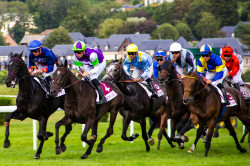
When the crowd gathers at the racecourse and the tote board flickers with changing figures, a unique sense of shared anticipation fills the air. Each punter has their own view of the horses’ form, the jockeys’ skill, and the going on the day – yet all these individual judgements merge into one collective game. In tote betting, the size of the prize depends not only on which horse wins, but also on how the crowd as a whole has chosen to bet. It is a system that turns horse racing into a fascinating study of collective decision-making and probability.
What Is Tote Betting?
Unlike fixed-odds betting, where the bookmaker sets the price in advance, tote betting is based on a pool of wagers. All bets on a particular race go into a shared pot, from which a small percentage is deducted for administration and taxes. The remainder is divided among those who backed the winning outcome. The final payout is therefore not known until the race is over – it depends on how many others made the same choice.
This makes tote betting a collective system. Every individual bet influences the odds for everyone else. The more people who back a favourite, the smaller the payout if that favourite wins. Conversely, a long shot can yield a large return if only a few have had the nerve to back it.
Collective Behaviour and the “Wisdom of the Crowd”
One of the most intriguing aspects of tote betting is how it reflects the collective intelligence of the betting public. When thousands of punters independently assess a race, the average of their opinions often comes surprisingly close to the horses’ true chances. In many cases, the tote odds end up being a remarkably accurate reflection of reality.
But the crowd is not infallible. Human psychology plays a major role: favourites tend to be overbet, while outsiders are often undervalued. This creates small inefficiencies in the market – opportunities for the observant bettor to find value where others see little.
Balancing Risk, Reward, and Strategy
For the individual punter, tote betting is about balancing risk and potential reward. Backing the favourite offers a higher probability of success but a smaller payout. Backing an outsider means lower odds of winning but the possibility of a much larger return.
Experienced bettors look for horses whose true chances they believe are better than the tote market suggests. This requires both a deep understanding of the sport and the confidence to think differently from the majority. In this way, tote betting becomes not just a game of chance, but a test of insight and independence.
Læs også:

Collective Choices in Motion
As race day approaches, tote odds shift constantly. New information – such as weather changes, track conditions, or a jockey’s recent form – prompts punters to adjust their bets. The market is alive, continuously updating its collective judgement.
In major races with large pools, the system becomes more stable, as no single bet can move the odds significantly. In smaller meetings, however, a few large wagers can cause noticeable swings. This dynamic makes tote betting both a statistical and a psychological phenomenon – a living example of how crowds process information in real time.
From Shared Pool to Personal Moment
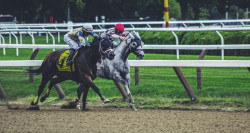
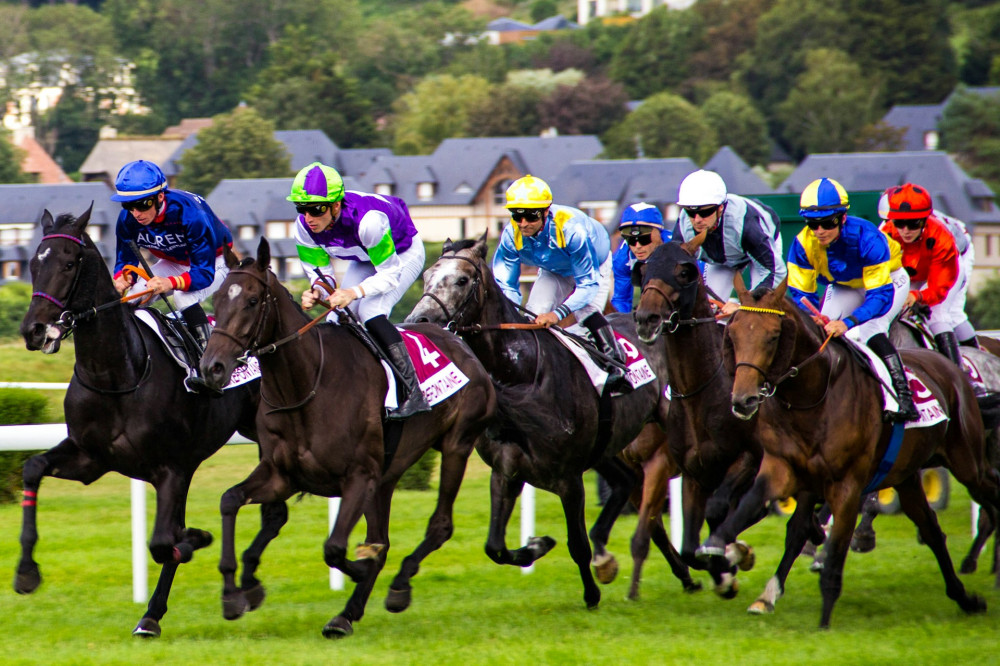
Although tote betting is collective in structure, the experience is deeply personal. Each punter stands with their ticket, their hopes, and their reasoning. When the horses thunder down the final furlong, the collective game becomes an individual thrill – a moment when the crowd’s combined decisions meet the unpredictable outcome of the race.
It is this blend of shared dynamics and private excitement that gives tote betting its enduring appeal. It is a game where one plays both with and against the crowd – and where understanding the collective mind can be the key to improving one’s own chances.
More Than a Game of Luck
Tote betting in British horse racing is a meeting point of mathematics, psychology, and intuition. It is not merely about guessing the winner, but about understanding how the crowd thinks – and when it might be wrong. For the curious punter, it offers a world where numbers and human behaviour intertwine, turning every race into a study of collective choice and the probabilities that shape our pursuit of fortune.
Læs også: