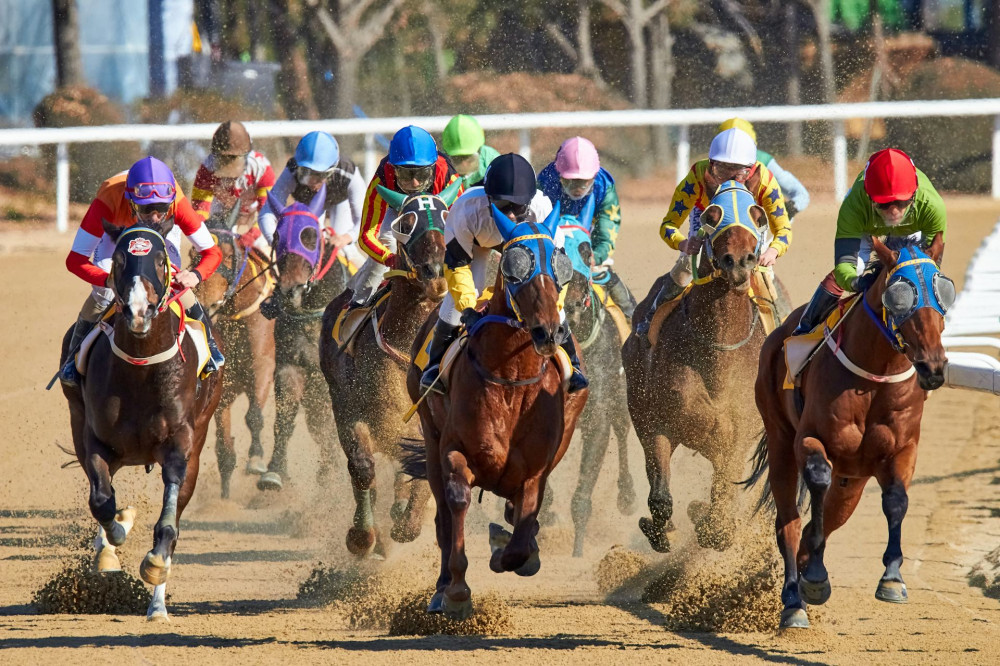
Psychological Traps in Horse Racing – When Favourites Are Overrated and Outsiders Underrated

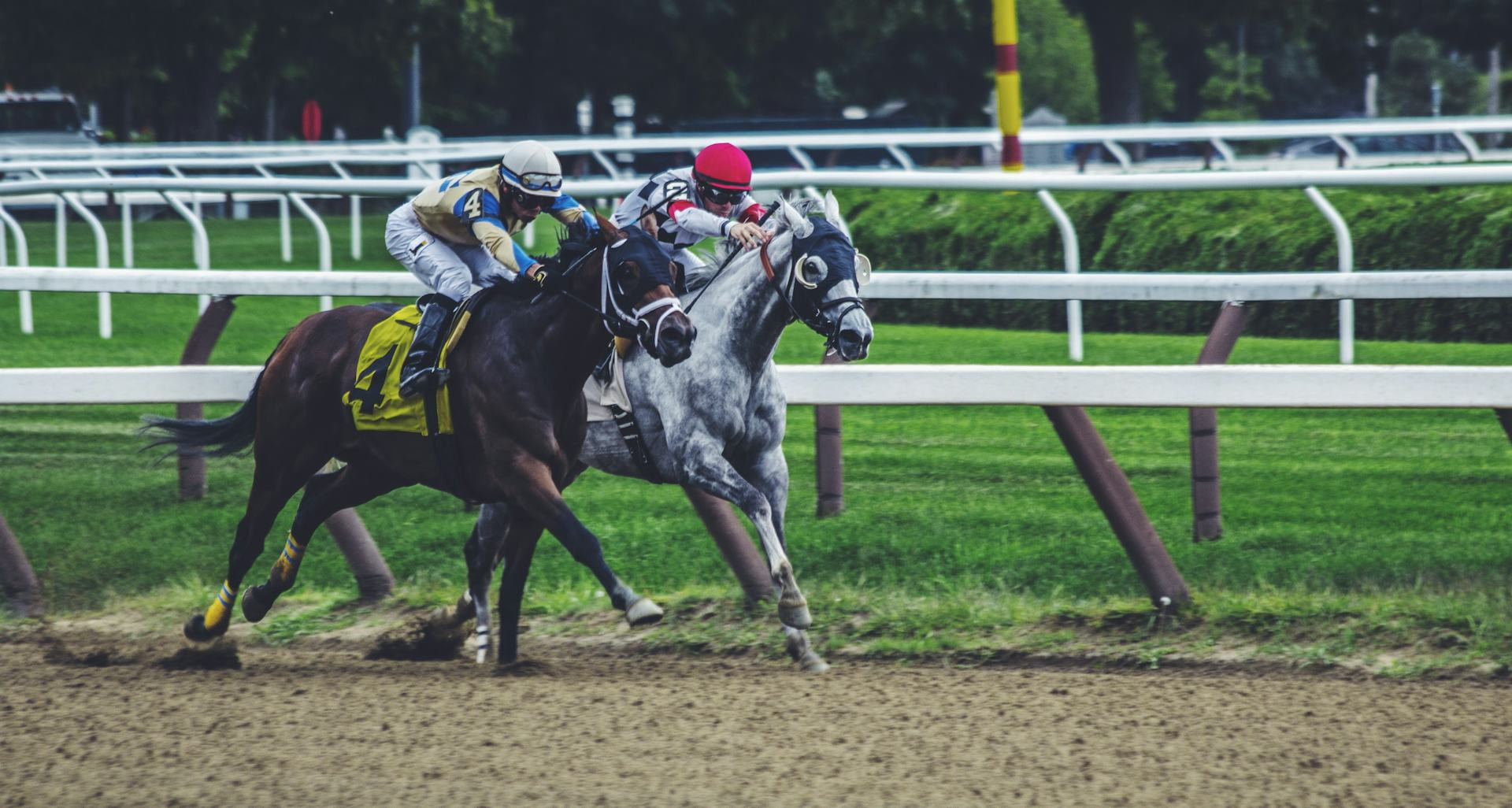
Psychological Traps in Horse Racing – When Favourites Are Overrated and Outsiders Underrated
Horse racing has long been a part of British sporting culture – from the roar at Cheltenham to the glamour of Royal Ascot. For many, betting on the races feels like a test of knowledge and intuition. You study the form, check the going, compare odds, and make what seems like a rational choice. Yet beneath the surface, powerful psychological forces shape how we judge horses, odds, and risk. We tend to overrate favourites, underrate outsiders, and let emotion cloud logic. This article explores the most common psychological traps in horse racing – and how to recognise them before they cost you.
The Favourite Trap – When Probability Feels Like Certainty
One of the most widespread biases among punters is favourite bias – the tendency to overestimate the likelihood that the favourite will win. When a horse is priced at short odds, it feels almost inevitable that it will cross the line first. But odds reflect the market’s collective opinion, not a guarantee of success.
Studies of betting markets, including those at British racecourses, show that favourites are often overbet – their odds are too short compared to their true winning chances. While they do win more often, the returns rarely justify the risk. Many punters still back them because it feels safer to lose on a “sensible” choice than to risk money on a longshot that looks unlikely.
The Outsider’s Paradox – When Hope Outweighs Reality
At the other end of the spectrum lies longshot bias – the tendency to overvalue the chances of an outsider. The lure of a big payout can be irresistible. A 50/1 shot represents not just a horse, but a dream: the idea that you might spot what everyone else has missed.
However, statistics show that outsiders win even less often than their odds suggest. Over time, chasing longshots tends to erode your bankroll faster than backing favourites. Yet the emotional pull of “it could happen” is strong. The excitement of a potential upset often outweighs the cold arithmetic of probability.
Confirmation Bias – Seeing What You Want to See
Regular racegoers often develop loyalties to certain trainers, jockeys, or stables. This can lead to confirmation bias – the habit of noticing information that supports what we already believe and ignoring what contradicts it.
If you’re convinced that a particular jockey always performs well at Newmarket, you’ll remember the wins and forget the losses. Over time, this selective memory creates the illusion of patterns that don’t actually exist. The result is misplaced confidence and poor value bets.
Læs også:
Herd Mentality – When the Crowd Shapes the Odds
Horse racing is a social sport. Whether you’re at the track, in the betting shop, or following tips online, it’s easy to be influenced by what others are saying. This is where herd behaviour comes in – the tendency to follow the crowd, assuming that the majority must be right.
When a surge of bets comes in for a particular horse, its odds shorten. That movement can reinforce the belief that it’s a “sure thing.” But often, by the time everyone’s on board, the value has disappeared. The best opportunities are rarely where the crowd is looking – they’re in the overlooked corners of the market.
Loss Aversion – When Fear Drives Decisions
Humans dislike losing more than they enjoy winning. This loss aversion can distort betting behaviour in two ways. Some punters chase losses, increasing their stakes in an attempt to win back what they’ve lost. Others become overly cautious, avoiding risk altogether after a setback.
Both reactions are emotional, not rational. The key is to accept that losses are part of the game. A disciplined approach – sticking to a staking plan and evaluating bets on their long-term value – is far more effective than reacting to short-term results.
How to Avoid the Worst Traps
Understanding these psychological pitfalls is the first step towards avoiding them. Here are a few practical tips:
- Think in probabilities, not emotions. Ask whether the odds truly reflect the horse’s chance of winning – not how much you want it to win.
- Keep a betting journal. Record your bets and reasoning. Reviewing them later helps you spot patterns in your own thinking.
- Question the consensus. If everyone is backing the same horse, look for value elsewhere.
- Stick to your strategy. Don’t let a single win or loss dictate your next move.
Horse racing is as much about psychology as it is about form and fitness. The more you understand your own biases, the better your decisions will be. In the end, smart betting isn’t just about picking winners – it’s about mastering your own mind.
Læs også: