The subtle signs that reveal a future winning horse

The subtle signs that reveal a future winning horse
Spotting the next winning horse is not just a matter of luck. Behind every race lies a wealth of small signals – physical, behavioural, and strategic – that can hint at which horse is on the verge of a breakthrough. For the observant racegoer, these details can make the difference between a hopeful punt and an informed prediction. Here’s a guide to recognising the subtle signs that often precede a victory.
The body tells its own story
A horse’s physique reveals much about its condition and potential. A future winner radiates balance, strength, and energy – but without appearing tense or overworked.
- Musculature: Look for even, well-developed muscles, particularly across the hindquarters and shoulders. This indicates good conditioning and the power needed for a strong finish.
- Coat and shine: A glossy, tight coat is a classic sign of health and wellbeing. A dull or patchy coat, on the other hand, can suggest the horse isn’t quite at its peak.
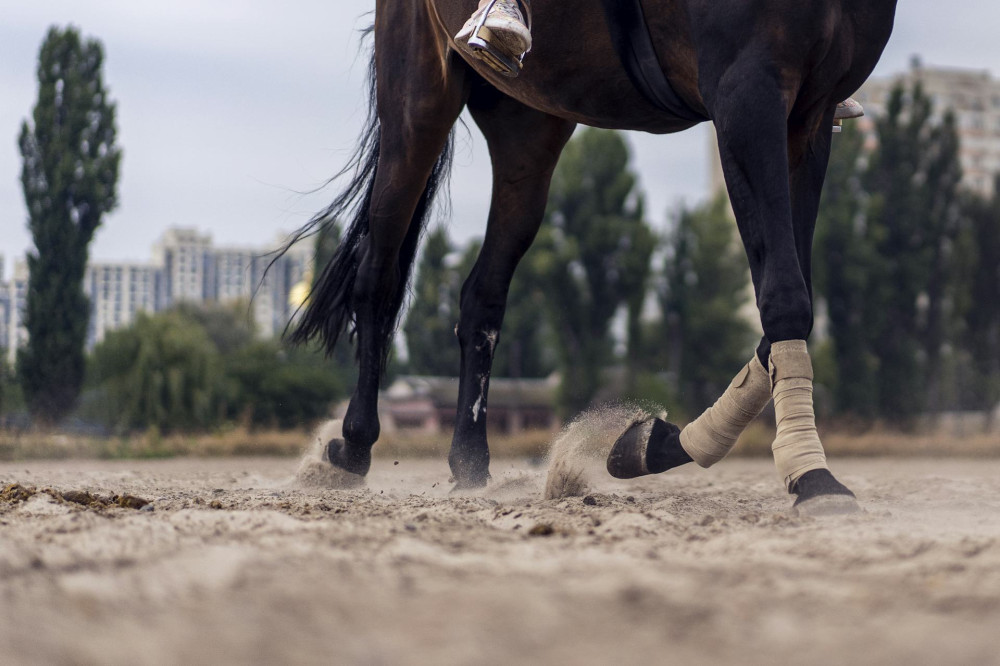
- Posture and movement: A horse that moves fluidly and with elasticity is using its body efficiently. Stiff or uneven strides may point to minor injuries or fatigue.
Even small changes in posture or movement compared to previous runs can be telling – they may reveal whether a horse is improving or struggling physically.
Læs også:
Behaviour before the start – a window into the mind
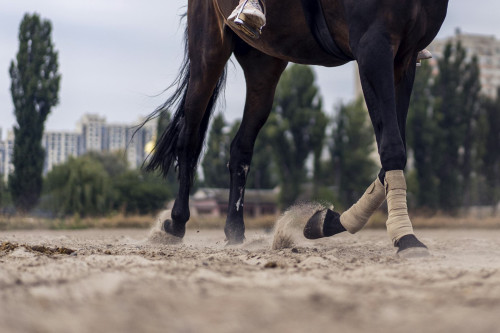
Just as important as physical condition is mental readiness. Many trainers say that races are often won in the mind before the gates even open.
- Calm but alert: A horse that appears attentive without being agitated is in the ideal mental state.
- Overexcited or withdrawn: A horse that sweats excessively, rears, or seems disinterested is wasting energy – and that can cost valuable strength during the race.
- Connection with the jockey: Watch the interaction between horse and rider. A horse that responds willingly to subtle cues is often in harmony with its jockey – a key sign that everything is in sync.
Seasoned punters often spend the paddock parade observing these very details. It’s here that the fine line between a good and a great performance can often be spotted.
Trainer patterns and stable form
A horse rarely performs better than its trainer allows. That’s why it’s worth paying attention to the trainer’s recent form and approach.
- Stable performance: If several horses from the same yard are running well, it’s a strong indication that training and feeding routines are spot on.
- Timing in the racing calendar: Some trainers use smaller races as preparation for bigger targets. A horse that’s had a couple of “warm-up” runs may now be ready to peak.
- Equipment changes: New blinkers, shoes, or bits can signal that the trainer has found the key to unlocking the horse’s best performance.
Tracking a trainer’s habits over time can give you an edge – especially if you notice when they tend to bring their horses to top form.
Statistics and underlying data
While intuition and observation are vital, they should be supported by data. Statistics can reveal patterns that the eye might miss.
- Draw position: Some horses perform better from an inside stall, others from the outside – depending on the course and distance.
- Distance and going: A horse that has previously won over the same distance and ground conditions holds a clear advantage.
- Jockey strike rate: An experienced jockey with a strong record in similar races can be a powerful indicator of success.
Combining numbers with observation provides the most complete picture – and increases your chances of spotting the next winner.
The race-day details
Even on the day itself, small details can reveal whether a horse is ready to deliver.
- Warm-up: A horse that moves freely and with purpose during the preliminaries is often in good physical and mental balance.
- Behaviour in the stalls: A horse that enters calmly and stands quietly shows composure and focus.
- Body language after the break: If the horse quickly finds rhythm and responds to the jockey’s signals, it’s a sign that everything is working as it should.
These observations take practice, but over time you’ll start to recognise patterns that repeat among horses who go on to cross the line first.
From instinct to insight
Spotting a future winning horse is a blend of experience, observation, and analysis. It’s not about guessing, but about noticing the small signals that together form a bigger picture. The more you watch, the clearer the difference becomes between a horse that merely runs – and one that’s ready to win.
Læs også: