Grass, Clay or Hard Court? Understanding the Differences in Tennis and Betting

Grass, Clay or Hard Court? Understanding the Differences in Tennis and Betting
When you watch tennis on TV, it might look like the same game every time – two players, a net, and a ball. But the surface beneath their feet changes everything. Grass, clay, and hard courts each influence the speed of the ball, the players’ movement, and the rhythm of the match. For players, that means different strategies and styles of play. For those interested in betting, it can make all the difference when assessing odds and probabilities.
Here’s a closer look at the three main surfaces, how they shape the game, and what to consider if you want to use that knowledge in your tennis betting.
Grass – fast, slick, and unpredictable
Grass courts are the most traditional and prestigious surface in tennis, famously showcased at Wimbledon. Grass produces a low, fast bounce because the ball tends to skid rather than grip. This gives a clear advantage to players with a strong serve and quick reactions, often leading to shorter rallies.
Serve-and-volley players or those who like to attack the net usually thrive on grass. In contrast, baseline players who rely on long rallies may find it harder to impose their rhythm.
From a betting perspective: Grass favours players with powerful serves and aggressive play. When analysing matches on grass, look at statistics such as first-serve percentage, aces, and past performance on this surface. Upsets are not uncommon, as the fast pace and fine margins can quickly turn a match around.
Clay – the surface of patience and endurance
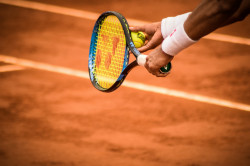
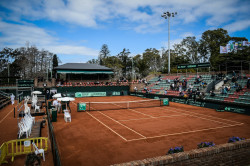
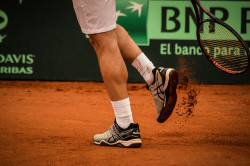
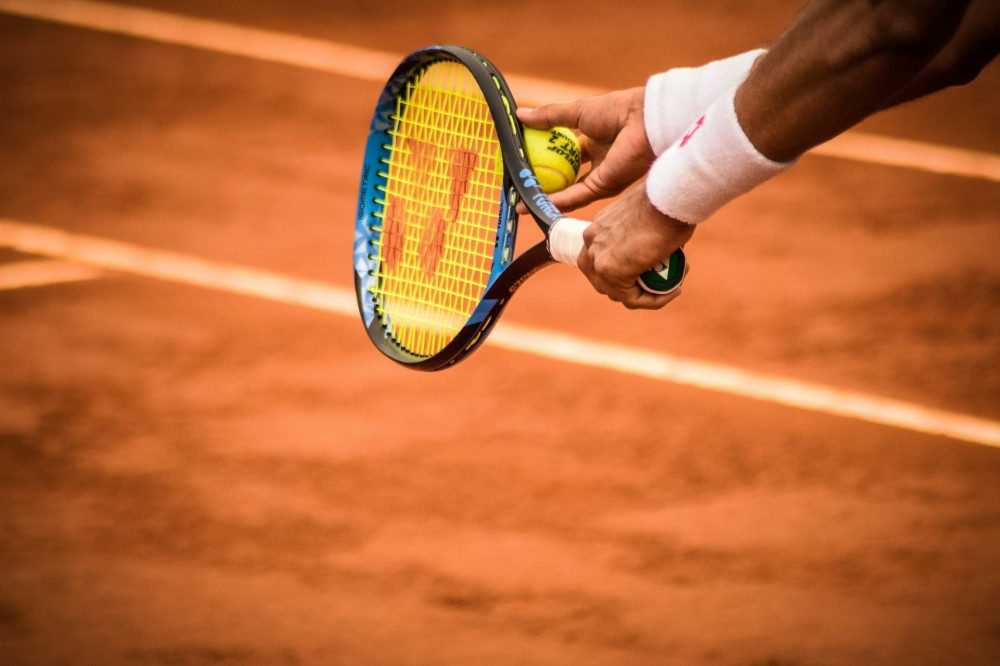
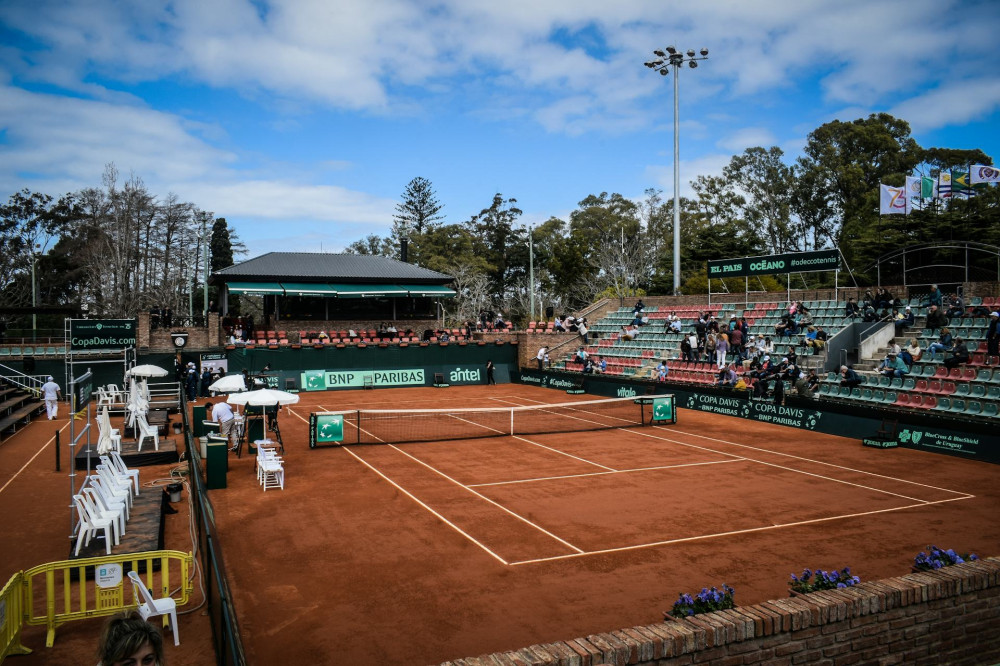
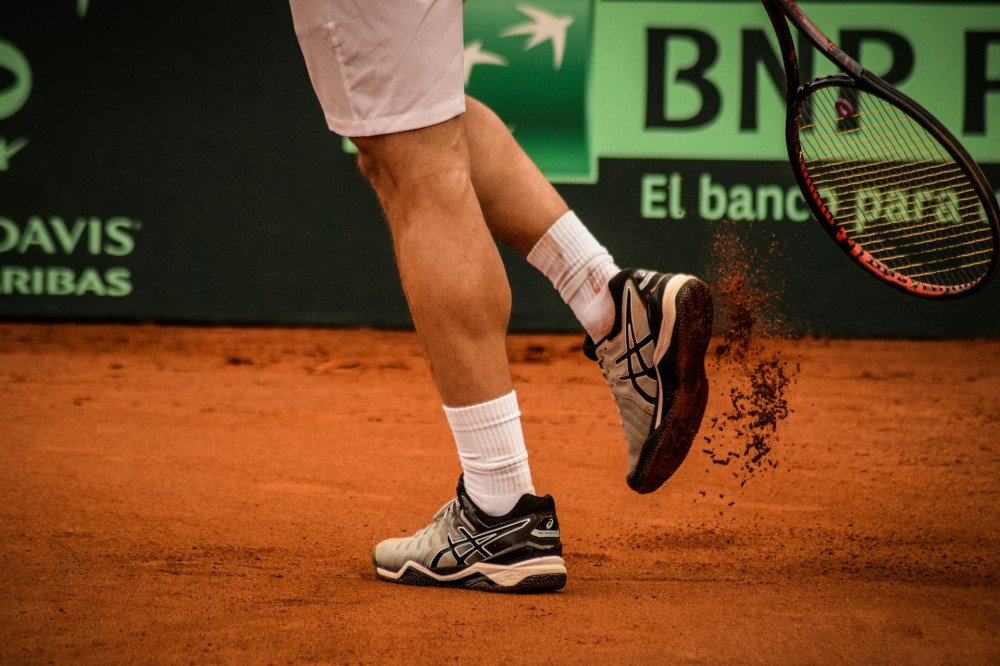
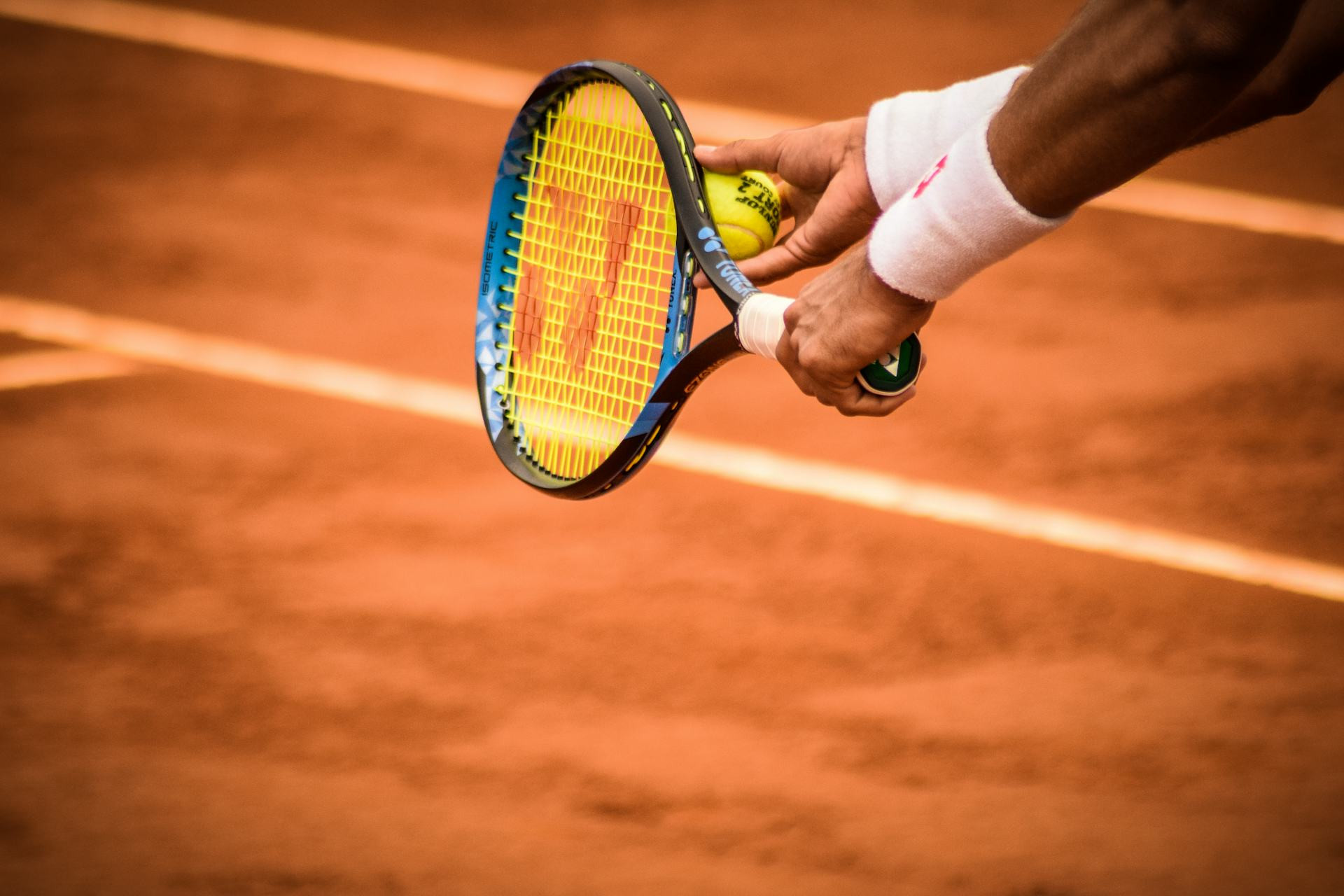
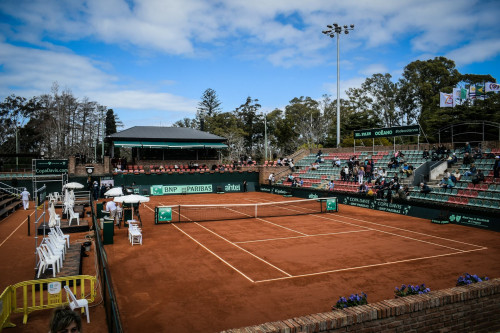
Clay courts, like those at Roland Garros for the French Open, are the slowest in tennis. The ball bounces higher and loses speed, leading to longer rallies and demanding great physical and mental stamina. Players who use heavy topspin and can construct points patiently tend to excel here.
Clay rewards consistency and tactical intelligence. Defensive players who can retrieve and force errors often have the upper hand, while big servers may struggle to hit through the surface.
From a betting perspective: Matches on clay are rarely over quickly. Players with strong fitness levels and the ability to dominate long rallies are more likely to succeed. Always check a player’s clay-court record – many top players show significant differences in performance depending on the surface.
Læs også:
Hard Court – the balance between speed and control
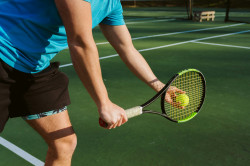
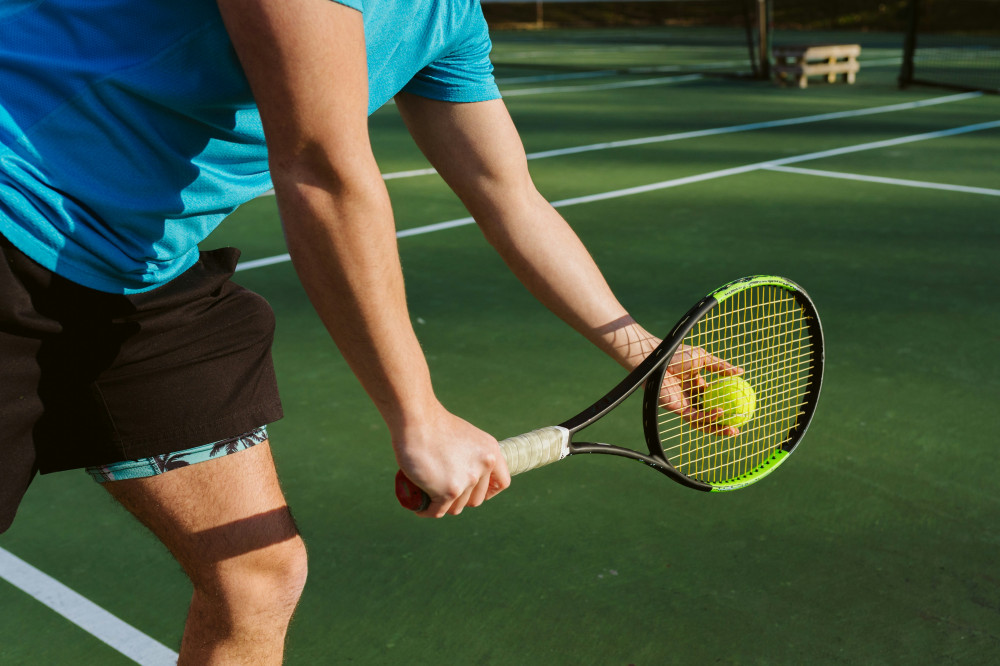
Hard courts, used at the Australian Open and US Open, are the most common surface in modern tennis. They offer a balance between the speed of grass and the slowness of clay. The bounce is consistent, and the pace is moderately fast, allowing both attacking and defensive players to succeed depending on their strengths.
Hard courts reward versatility. Players who can adapt their tactics and vary their shots tend to perform well. However, the surface is tough on the body, often leading to more injuries – something worth noting when evaluating form and fitness.
From a betting perspective: Hard-court tournaments require close attention to a player’s physical condition and recent workload. The surface itself is neutral, but small differences in movement, fatigue, or recovery can have a big impact. Historical results on hard courts are often more reliable indicators than on grass or clay.
How to use surface knowledge in tennis betting
Understanding how surfaces affect play is one of the most valuable tools in tennis betting. Here are a few practical tips:
- Check a player’s record on each surface. Some players are specialists, performing far better on one type than another.
- Consider match length. On clay, longer matches can create opportunities for bets on total sets or games.
- Watch the weather. Humidity and temperature influence ball speed – especially on grass and clay.
- Look at the tournament stage. Early rounds can be unpredictable, particularly when players are adjusting to a new surface.
By combining technical insight with statistical analysis, you can make more informed predictions – and perhaps spot value where others don’t.
The surface shapes the game – and the strategy
Tennis isn’t just one game; it’s three, depending on the surface. Grass is about speed and precision, clay about patience and endurance, and hard court about balance and adaptability. For players, that means constant adjustment. For bettors, it means understanding how these differences influence outcomes.
Next time you watch a match, pay attention to how the ball moves and how players adapt their tactics. The surface tells a story – one that can reveal both the beauty of the sport and the subtle edges that matter in betting.
Læs også: