When the Surface Changes – How Tennis Match Conditions Are Affected

When the Surface Changes – How Tennis Match Conditions Are Affected
When the surface beneath the players’ feet changes, so does the entire rhythm of tennis. The speed of the ball, the height of the bounce, and the way players move are all shaped by whether the match is played on clay, grass, or hardcourt. For both professionals and club players across Britain, understanding how each surface behaves can make the difference between adapting successfully or struggling to find form. Let’s explore how these surfaces influence the game – and why some players seem almost unbeatable on one type of court but vulnerable on another.
Clay – the surface of patience and endurance
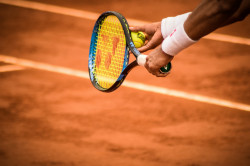
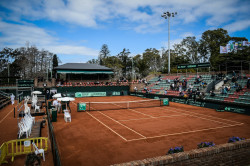
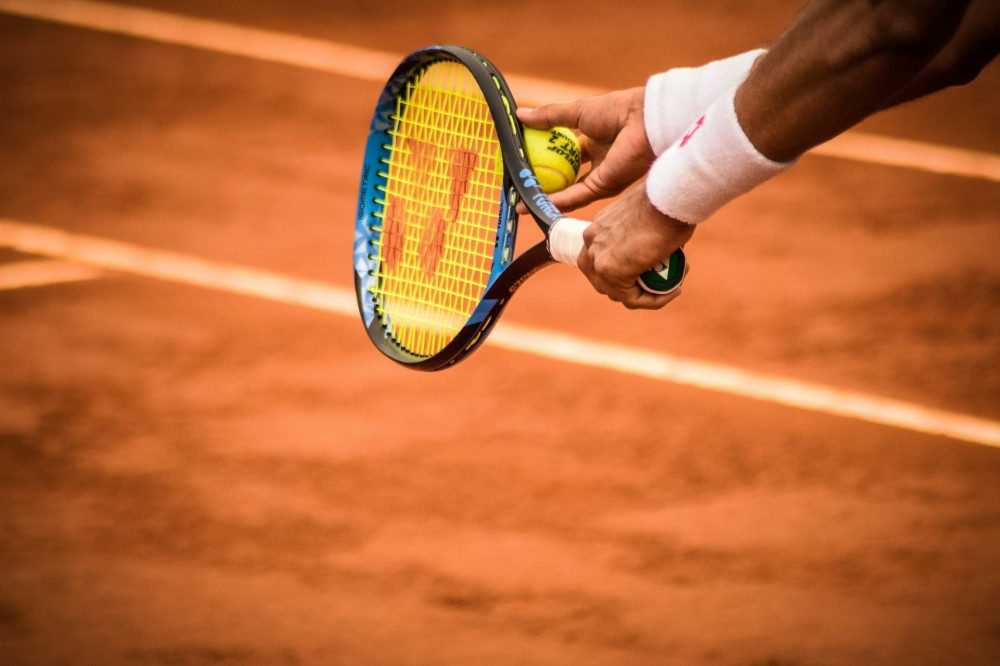
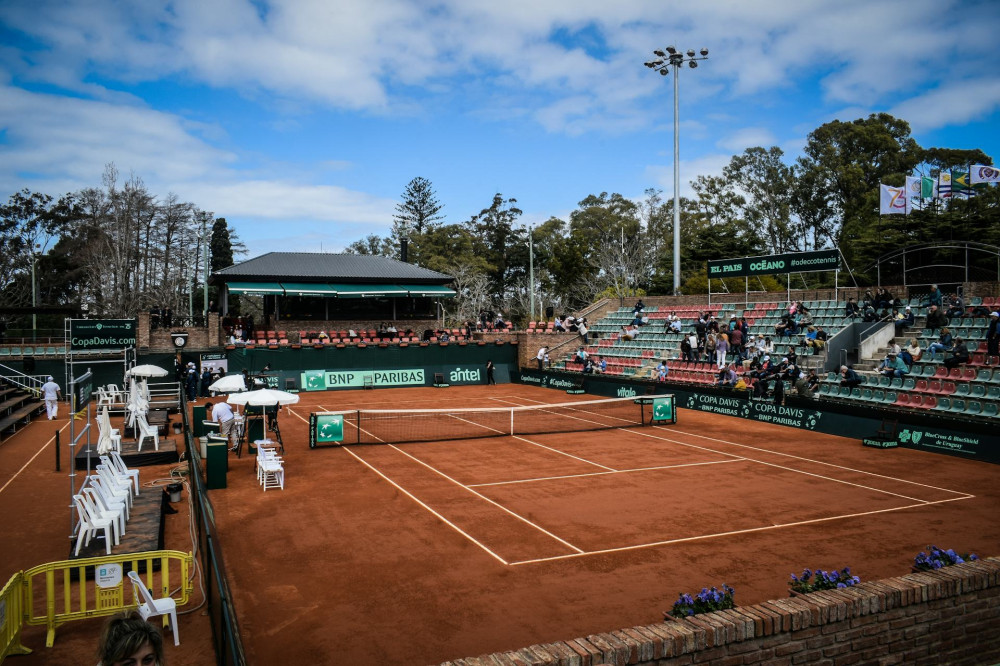
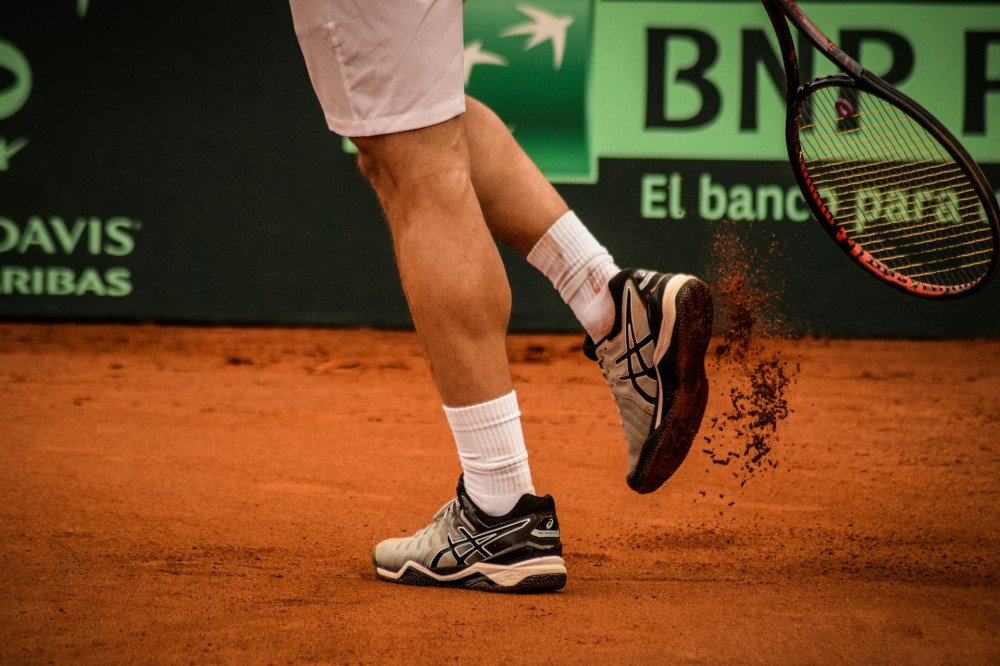
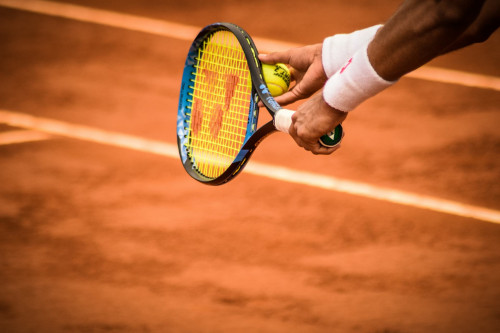
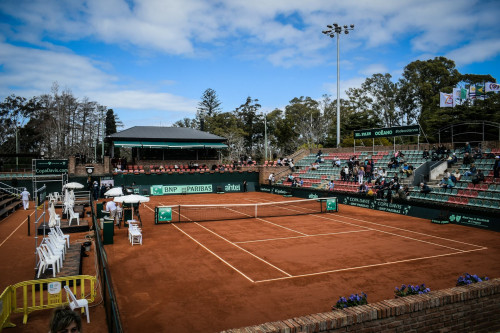
Clay courts, most famously seen at the French Open, are known for being slow. The ball loses speed as it hits the loose surface and bounces higher, leading to longer rallies and more time to react. Matches on clay often become tests of stamina and mental resilience.
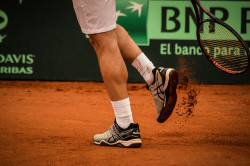
Players who thrive on clay tend to rely on heavy topspin, consistency, and tactical patience. They slide into their shots and use the high bounce to dominate from the baseline. For many, clay is as much a mental challenge as a physical one – it rewards those who can stay calm, construct points carefully, and wear down their opponents over time.
Grass – speed and precision at the forefront
Grass courts, such as those at Wimbledon, are the fastest in tennis. The ball skids and stays low, favouring players with a strong serve and an attacking mindset. The short rallies and quick points make grass a surface where precision and timing are everything.
Serve-and-volley players, or those who like to take the ball early, often excel here. However, grass can be unpredictable – the bounce varies more than on other surfaces, and movement requires balance and agility. For British fans, the grass-court season is a highlight of the summer, combining tradition, elegance, and the thrill of fast-paced tennis.
Hardcourt – the balanced middle ground
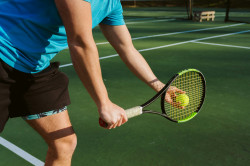
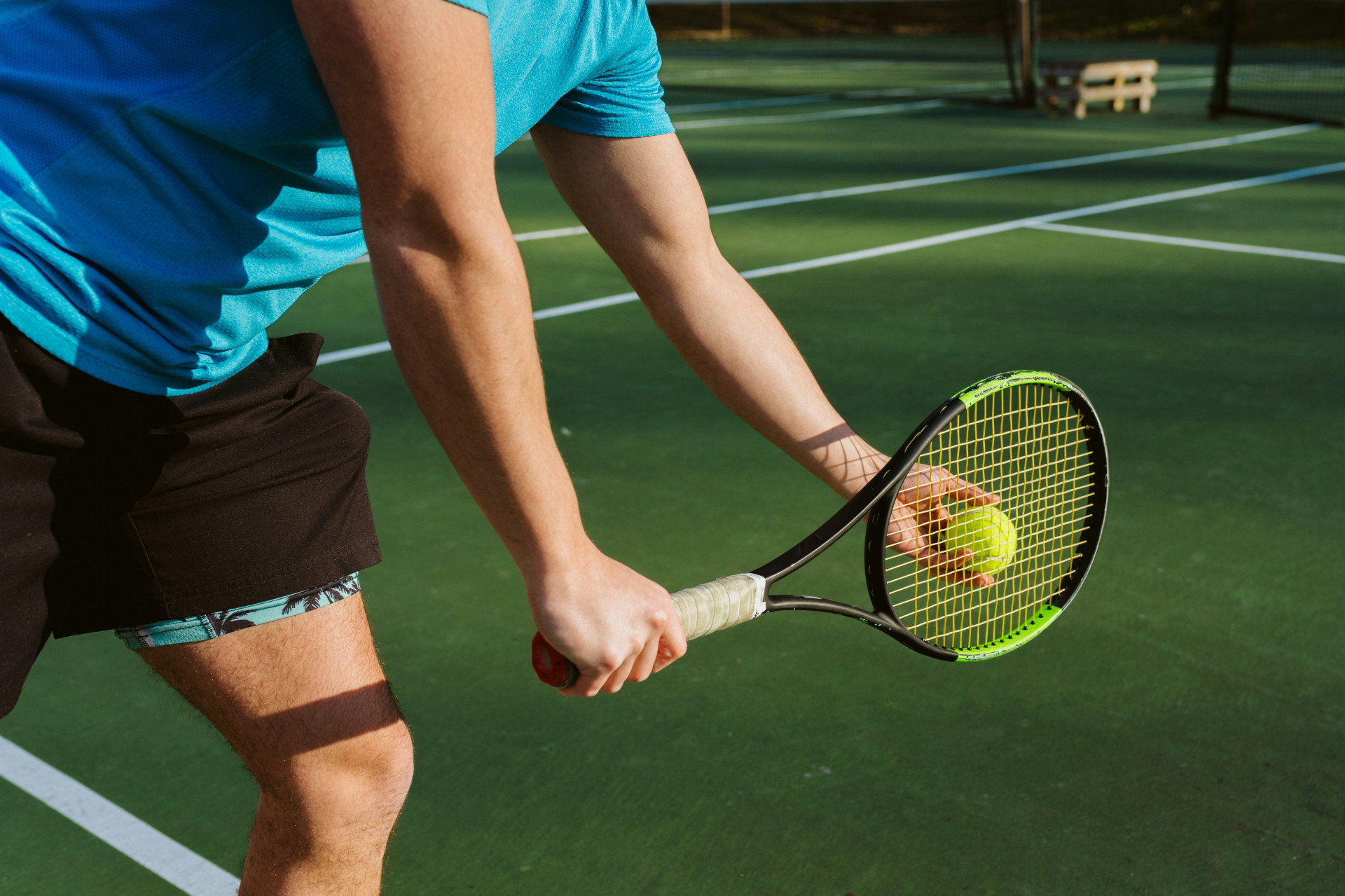
Hardcourts, used at the Australian Open and US Open, offer a compromise between clay and grass. The surface provides a consistent bounce and medium pace, allowing both offensive and defensive players to succeed. It’s the most common surface in Britain’s indoor and outdoor facilities, making it familiar to many recreational players.
However, hardcourts are tough on the body. The rigid surface doesn’t absorb impact well, putting extra strain on knees and hips. Good footwear with cushioning is essential, as is varying training routines to prevent overuse injuries. For professionals, hardcourt seasons demand both physical strength and tactical versatility.
How surface shapes strategy
Each surface dictates not only how the ball behaves but also how players must think. On clay, patience and constructing points are key. On grass, taking control early and finishing points quickly is vital. Hardcourt demands adaptability – the ability to switch between defence and attack as the rally unfolds.
Top players often adjust their equipment and technique depending on the surface. They might alter string tension, change shoe tread patterns, or modify their serve placement. Even small adjustments can have a big impact on performance.
The mental side of surface transitions
As the tennis calendar moves from one surface to another, players face a psychological as well as a technical challenge. A player dominant on clay may feel uncertain on grass, where the ball behaves completely differently. Mental flexibility becomes crucial – the ability to reset expectations and adapt quickly.
Coaches often focus on helping players manage this transition, not just through drills but through mindset training. Accepting that the game will feel different is the first step towards regaining confidence and rhythm.
Læs også:
What it means for fans – and for analysis
For spectators, understanding how surfaces affect play adds depth to watching tennis. It explains why a player might dominate in Paris but struggle in London. For those who follow the sport closely, surface statistics are a key part of analysing form and predicting outcomes. A player’s record on each surface often reveals more than their overall ranking.
Knowing how conditions influence performance makes following the sport more engaging – every tournament becomes a new test of adaptability and skill.
One game, three worlds
Tennis remains the same sport wherever it’s played, yet the surface transforms everything – from pace and tactics to movement and mindset. That variety is what makes tennis so captivating. Each surface tells its own story, and every player must learn to write their chapter on it.
Læs også: